



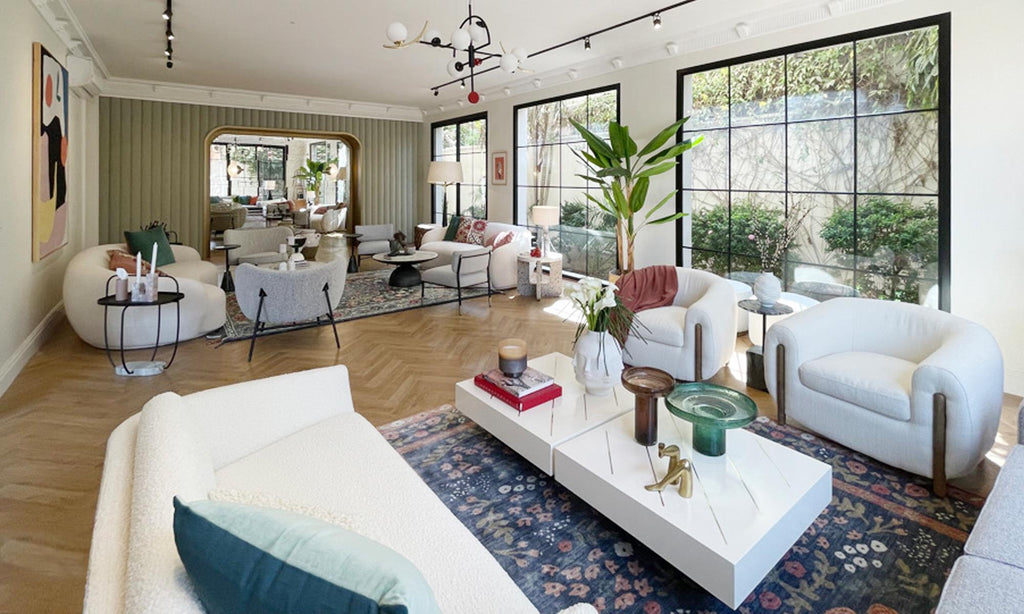
The Impact of Color Schemes on Your Interior Aesthetic
Color is one of the most powerful elements in interior design. The right color scheme can completely transform a room, making it feel more spacious, cozy, luxurious, or inviting. Whether you're designing a new home or refreshing your current space, choosing the perfect color palette plays a vital role in creating a beautiful and functional environment. In this guide, we'll explore how color schemes influence your interior aesthetic and share practical tips to help you achieve a stylish, harmonious home.
Why Color Schemes Matter in Interior Design
A well-planned interior color scheme sets the mood and personality of your home. Colors affect emotions, influence lighting, and create visual balance throughout your living spaces.
Popular interior design trends focus on combining neutral colors, earthy tones, and elegant accent shades to create timeless interiors. Whether your style is modern, contemporary, minimalist, or classic, the right color palette helps unify your home decor and furniture.
Choose Colors Based on Room Function
Each room serves a different purpose, and your color choices should reflect its function.
- Living Room: Warm neutrals like beige, ivory, and light gray create a welcoming atmosphere. Add navy blue, olive green, or gold accents for a luxurious touch.
- Bedroom: Soft blues, sage green, warm whites, and muted taupe promote relaxation and restful sleep.
- Dining Room: Rich colors such as deep green, charcoal, or terracotta create an elegant dining experience.
- Home Office: Light gray, soft blue, and earthy tones improve focus while maintaining a calm environment.
Matching your color palette to each room enhances both comfort and functionality.
Popular Interior Color Trends
Modern homeowners are embracing sophisticated and timeless color combinations.
Trending interior paint colors include:
- Warm white and beige
- Greige (gray + beige)
- Sage green
- Olive green
- Navy blue
- Terracotta
- Charcoal gray
- Soft black
These colors pair beautifully with luxury furniture, natural wood, marble surfaces, and metallic finishes to create an elegant interior.
Balance Colors with Furniture and Décor
Your living room furniture, sofas, coffee tables, rugs, curtains, and decorative accessories should complement your wall colors. Neutral walls provide flexibility, allowing statement furniture or colorful décor to stand out without overwhelming the space.
Layering different shades and textures adds depth while maintaining a cohesive and luxurious appearance.
Create Visual Balance with the 60-30-10 Rule
One of the most popular principles in home interior design is the 60-30-10 color rule:
- 60%: Dominant wall color
- 30%: Furniture and upholstery
- 10%: Accent decor such as cushions, artwork, and accessories
This approach creates a balanced, professionally designed interior that feels both stylish and inviting.
Consider Natural and Artificial Lighting
Lighting has a significant impact on how colors appear throughout the day. Natural sunlight makes colors look brighter, while artificial lighting can change their warmth or intensity.
Always test paint samples in your room before making a final decision. Observe the colors during the morning, afternoon, and evening to ensure they complement your furniture and lighting conditions.
Final Thoughts
Choosing the right color scheme for your home is one of the easiest ways to elevate your interior aesthetic. By selecting colors that suit your space, lifestyle, and design style, you can create a home that feels comfortable, elegant, and timeless.
Whether you prefer modern interior design, luxury home decor, or minimalist interiors, a carefully planned color palette will enhance every room and highlight the beauty of your furniture and accessories. Investing time in choosing the perfect colors ensures your home remains stylish and welcoming for years to come.
