



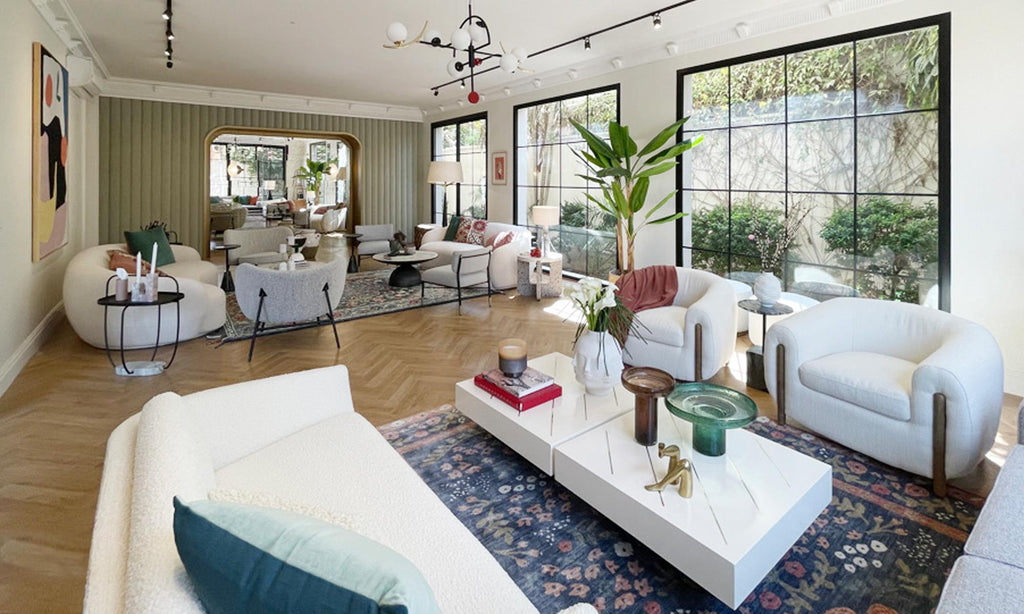
Decorative Objects


Decorative objects in Saudi Arabia — a room is finished not by its furniture, but by the pieces the eye stops on. At RIS you will find luxury decorative objects and ornaments with a sculptural character: ceramic pillars, playful ceramic stands, and elegant bowls such as the Hope and Madison designs, made to turn a plain surface into a small work of art. Style them on a console table, open shelves, or your coffee table and the whole room feels complete.
Read more
Decorative Objects Are Small Works of Art
A refined decorative object is closer to a sculpture than to an accessory. A ceramic pillar adds height and architecture to a corner, a character stand — such as a monkey-leaf ceramic piece — brings a bold, artistic note guests always notice, and a hand-finished ceramic bowl works as a centrepiece on its own. Choose pieces with a clear silhouette and a premium finish: when the object can stand alone on an empty table and still look elegant, it is the right piece.
Where to Place Decorative Objects
- Console tables — the natural home of a statement object: one tall piece, one bowl, and a stack of art books is a complete composition.
- Open shelves — mix objects with books and small plants, leaving empty space between groups so each piece breathes.
- Coffee and side tables — one elegant bowl or a single sculptural piece is enough; keep the rest of the surface free for coffee and dallah.
- Dining tables — a long, low bowl or a pair of matching objects makes a sophisticated centrepiece that does not block the view between guests.
The Rule of Threes and the Play of Heights
Professional stylists group objects in threes: one tall, one medium, one low — for example a pillar, a stand, and a bowl. Odd numbers look natural and relaxed, while matched pairs look formal and symmetrical, perfect for a majlis. Vary the heights, but keep one thing shared between the pieces: a colour, a material, or a finish, so the group reads as one story. And remember the golden rule of luxury styling — empty space is part of the design. A sophisticated room is never crowded.
How to Care for Ceramic Objects
Ceramic pieces are durable but deserve gentle handling. Dust them weekly with a soft, dry cloth, and wash bowls by hand with warm water and a mild soap when needed. Keep delicate glazed pieces away from the edge of tables in busy family rooms, and lift objects from the base instead of dragging them across wood or marble, so both the piece and the surface stay perfect.
Delivery Across Saudi Arabia
RIS delivers across Saudi Arabia, with free delivery in main cities on orders of 2,500 SAR or more. Decorative objects are wrapped with extra care, and you can also see and choose your pieces in person at our Jeddah showroom. Complete the look with pieces from our home décor collection.
Frequently Asked Questions
What are decorative objects used for?
Decorative objects are the finishing pieces of a room — sculptural ceramics, stands and bowls that turn empty surfaces into small works of art. They fill the visual gaps furniture leaves behind, carry the room's personality, and make a living room, majlis or entryway feel complete and deliberately designed. One well-chosen piece on a bare console can change how the whole room is judged.
Where should I place decorative objects in my home?
Place decorative objects where the eye lands on entering the room: console tables, open shelves, coffee tables and dining tables are the natural spots. Group them deliberately and always leave empty space around each arrangement — breathing room is what makes objects look luxurious rather than collected. On a coffee table, keep at least half the surface free for coffee and the dallah.
What is the rule of three in home styling?
The rule of three means grouping objects in odd numbers of three — one tall, one medium and one low, such as a ceramic pillar, a stand and a bowl. Odd groups look natural and relaxed, and varying the heights creates the rhythm professional stylists rely on. Keep one element shared between the three — a colour, material or finish — so the group reads as one story.
How many decorative objects should be on a coffee table?
One to three pieces are enough on a coffee table — for example, one elegant bowl on a tray with a small stack of art books. Keep at least half the table free so there is room for coffee service and the surface looks calm, not crowded. If you cannot set down a cup, there is one piece too many.
Are ceramic decorative objects durable?
Yes — quality glazed ceramic is hard-wearing, keeps its colour for years and needs no special products to maintain. Dust pieces weekly with a soft, dry cloth and wash bowls by hand with warm water and mild soap. The only real enemies are knocks and dragging: lift objects from the base rather than sliding them across wood or marble.
Can decorative objects work in a majlis?
Yes — decorative objects work beautifully in a majlis. For this formal room, choose pairs of matching objects for a symmetrical, composed look, or one bold statement piece on the central table. Brass, marble and ceramic finishes suit classic majlis styling, and generous scale matters: small pieces disappear in a large guest room, so choose objects with real presence.
How do I choose the right size of decorative object?
Match the object's scale to the furniture it sits on: a large console or dining table needs a tall or wide piece to hold its proportion, while a small side table needs a small, fine piece. If a piece looks lost on its own, group it with two companions of different heights instead of replacing it. When in doubt, go one size larger — undersized objects are the most common styling mistake.
What is the difference between a decorative object and a vase?
A vase is made to hold flowers or branches; a decorative object is complete on its own — a sculpture, a stand or a bowl that needs nothing added. Many homes use both together on one surface: the vase brings height and greenery, the object brings character. If a surface must look finished with zero maintenance, the object alone is the answer.
Do decorative objects make a good gift?
Yes — an elegant bowl or a distinctive ceramic stand is a refined housewarming or wedding gift that suits any home. Decorative objects need no size or colour guessing beyond good taste, and they become part of the family's daily rituals, seen and used every day. Choose natural materials and a clear silhouette, and the gift will never be put away in a cupboard.
How do I mix decorative objects with books?
Lay two or three art books flat and place a small object on top — the stack adds height and the arrangement looks intentional. On shelves, stand books upright in short runs and break them with an object roughly every metre. Books give objects a tailored, library-like setting, and objects stop long book runs from looking flat.
Which colours of decorative objects suit Saudi homes?
Warm neutrals, ivory, sand, soft green and deep accent colours are the most loved in Saudi homes. Calm ceramic glazes blend effortlessly with beige sofas and marble tables, while one bold-coloured piece creates a confident focal point. Match the object's family to the room's existing metals and fabrics, and the styling will always look deliberate.
Can I see the decorative objects before buying?
Yes — visit our Jeddah showroom to see the pieces, finishes and true sizes in person, which matters because scale is hard to judge from photographs. And wherever you are in Saudi Arabia, we deliver to your door, free in main cities on orders of 2,500 SAR or more. Objects are wrapped with extra care for the journey.
How do I keep a shelf from looking cluttered?
Use fewer, larger pieces instead of many small ones, group them in threes with varied heights, and leave at least a third of the shelf completely empty. If everything on a shelf is special, nothing looks special — editing is the real secret of elegant shelving. Step back after styling and remove one piece; the shelf almost always looks better.
How do I style decorative objects on a dining table?
Use a long, low centrepiece — a wide bowl or a pair of matching objects — that decorates the table without blocking the view between seated guests. Keep the arrangement centred and low, and leave the place settings completely clear. In a majlis-style dining room, a symmetrical pair in ceramic, brass or marble gives the formal balance the room expects.
